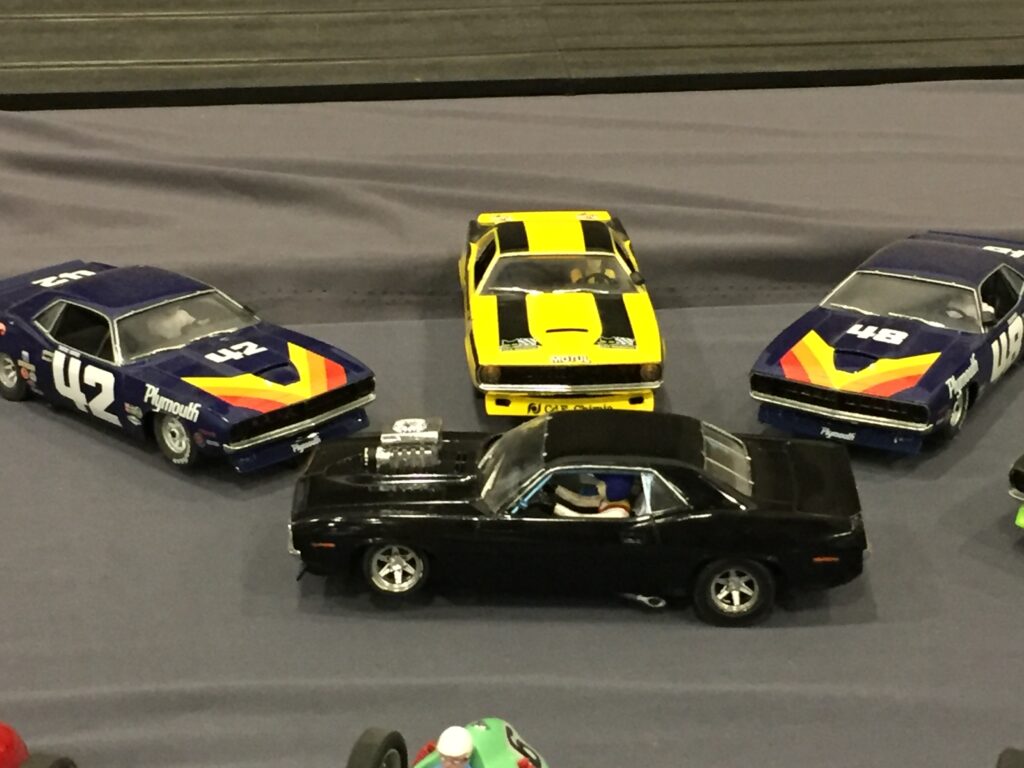

How to Repair a Broken Diecast Axle: Invisible Restoration Guide belongs in the custom and restoration lane because collectors keep asking the same practical question: which decisions make a project better, and which ones quietly ruin a good base? The answer usually comes down to fit, finish, donor choice, and honesty about what the piece becomes once it stops being fully original.
That matters even more in 1:64 scale. Small choices read big. Wheel swaps, stance changes, drilled bases, paint texture, decal edges, and reassembly quality all show up fast, especially once the model is back on a shelf beside untouched examples.
Jump to:
What Collectors Need to Know | Where the Real Difference Shows Up | Buying Notes | Why Collectors Revisit It | Related Collector Paths | Products
What Collectors Need to Know
Collectors who end up in the How to Repair a Broken Diecast Axle: Invisible Restoration Guide lane are usually trying to protect two things at once: finish quality and long-term satisfaction. A project can look exciting for a day and still turn into a shelf regret if the donor was wrong, the fitment was lazy, or the final result stops looking clean under normal room light.
That is why the first question is never “can it be done?” It is “what survives the process?” In 1:64 scale, tolerances feel smaller, paint problems look bigger, and small alignment mistakes can throw the whole model off.
The M2 Machines context matters too. Older pieces often carry nostalgia or harder-to-replace details that make aggressive modifications a bigger tradeoff. Newer pieces sometimes offer easier donor availability, but that does not automatically make them better bases.
Collectors also need to think about reversibility. Some projects are meant to become permanent expressions of taste. Others are better treated as light-touch upgrades that preserve the option to step back later. That distinction matters because the same wheel swap or finish choice can feel smart on a common donor and reckless on a piece that is getting harder to replace cleanly.
Where the Real Difference Shows Up
The real difference shows up in donor choice first. A cheap base that already carries the right stance, wheel opening, and body balance is often better than an expensive donor that fights every modification. Collectors underestimate that all the time.
Fitment is next. Wheels can look brilliant in hand and still fail once the axle width, ride height, and fender clearance are wrong. In 1:64 scale, a slightly off setup is not subtle. It changes how the whole casting reads.
Finish protection matters more than the initial swap. Glue squeeze, rough drilled bases, cloudy windows, thick clear, or mismatched paint texture can make a project feel amateur even when the concept was smart. That is why cautious decision-making beats aggressive modification almost every time.
The M2 Machines angle changes the risk too. Older pieces often deserve a lighter touch. Newer bases can be more forgiving. Either way, the best custom path is the one that still looks intentional and clean after the novelty is gone.
The strongest customs also read clean in photos and in hand. That means panel lines still make sense, wheel fitment still looks intentional, and the final finish does not scream overworked. When a project crosses that line, collectors start noticing the process instead of the model.
Buying Notes
Buying notes matter even more in the How to Repair a Broken Diecast Axle: Invisible Restoration Guide lane because the wrong donor or wrong starting condition can lock a project into compromise before the first change is even made.
- Check the basics first: alignment, paint wear, tampo condition, and whether the model still looks composed from normal shelf distance.
- Match the example to the goal: a display-first collector, an archive-minded collector, and a variation hunter are not shopping for the same thing.
- Use M2 Machines context honestly: brand reputation helps, but it should not override what the actual example in front of you is doing.
- Respect scale behavior: in 1:64 scale, weak details are easier to spot and harder to excuse after the model is on the shelf.
- Do not overpay for vague hype: when the facts are thin, buy the cleaner or better-balanced example rather than the louder listing.
For custom or restoration work, the cleanest donor is not always the cheapest one. The better donor is the one that saves you from fighting fit, finish, and reassembly problems later.
Why Collectors Revisit It
Collectors revisit How to Repair a Broken Diecast Axle: Invisible Restoration Guide because custom work is rarely one clean decision. It is an iterative lane. Better donors appear. Better wheel choices appear. Mistakes become more obvious with time. What looked fine at the bench can look much less convincing once it sits beside cleaner finished pieces.
That is why high-level custom guides stay useful. They help collectors make calmer decisions, avoid unnecessary damage, and keep the project aligned with what they actually want the finished model to feel like.
Collectors revisit these guides because better judgment tends to come from seeing the same tradeoffs repeated across multiple projects. The goal is not just to finish one build. It is to keep making better choices the next time a donor, wheel set, or restoration question appears.
Related Collector Paths
The related paths here should keep the collector in the same practical lane: donor choices, restoration logic, and adjacent models that teach the same fit-and-finish lessons.
- Collector Guides archive
- M2 Machines tag
- Custom Diecast Guides tag
- 1:64 tag
- Buying Guides archive
- Value and History archive
Products
If you want to keep moving in the same shelf lane, start with the live 1:64 Scale range. It is the fastest way to compare pieces that still fit the same collector intent.
The product block works best when it stays close to usable donors, adjacent castings, or parts-friendly lanes rather than drifting into random catalog inventory.
[products limit="8" columns="4" orderby="date" order="DESC" category="1-64-scale"]